Introduction
Fastest Century in ODI History Cricket is one of the most popular and exciting sports in the world, played in three major formats: Test, One Day International (ODI), and T20. Among these formats, ODI cricket holds a special place because it combines patience, strategy, and aggressive batting within 50 overs. Scoring a century in ODI cricket is always considered a remarkable achievement, but scoring it in very few balls is an extraordinary milestone that only a few legendary players have achieved. For Official Tournament Updates.
In this article, we will explore the fastest century in ODI history, the player who created the historic 31-ball record, complete match details, and why this record is still considered one of the greatest achievements in modern cricket.
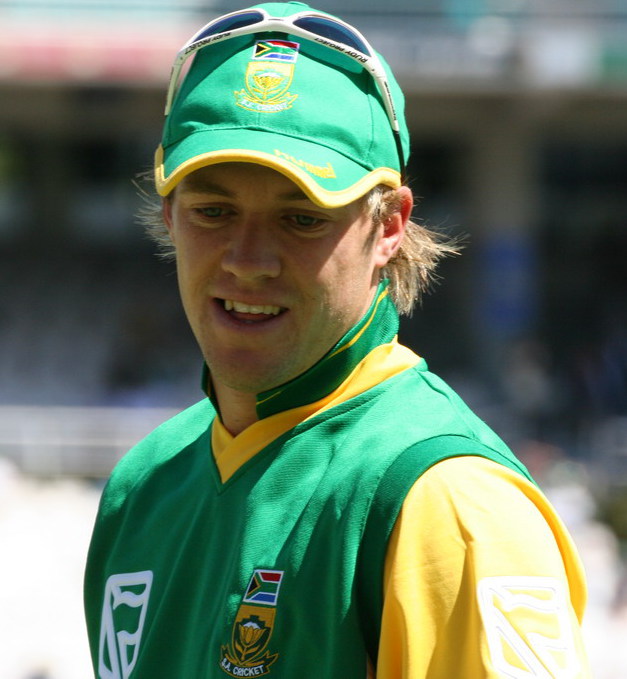
Fastest Century in ODI History
Fastest Century in ODI History The record for the fastest century in ODI cricket belongs to the legendary South African batsman AB de Villiers, who scored a sensational hundred in just 31 balls against West Indies in 2015. This historic innings took place in Johannesburg and completely changed the perception of aggressive batting in ODI cricket.Top 8 Strongest Teams in ICC T20 World Cup 2026
AB de Villiers’ innings is widely regarded as one of the most explosive and entertaining knocks in the history of one-day cricket. His ability to play shots in every corner of the ground earned him the famous nickname “Mr. 360°,” and this innings perfectly showcased his exceptional batting skills, timing, and fearless mindset.
Reaching a century in just 31 balls in a 50-over format is an extraordinary feat, as ODI cricket usually requires a balanced and steady approach. However, de Villiers broke all traditional batting patterns with his aggressive and innovative stroke play.
Match Record
- Match: South Africa vs West Indies
- Year: 2015
- Venue: Johannesburg
- Century: 31 Balls
- Total Runs: 149
- Fours: 9
- Sixes: 16
During this innings, AB de Villiers dominated the bowlers from the very beginning and never allowed them to settle into a consistent line and length. His aggressive intent and powerful hitting resulted in a rapid increase in the run rate, making the innings unforgettable for cricket fans worldwide.
How the Record-Breaking Innings Unfolded
From the moment he arrived at the crease, AB de Villiers showed attacking intent and played fearless cricket. Instead of taking time to settle, he started playing innovative shots, including reverse sweeps, scoops, and powerful lofted drives.
The West Indies bowlers struggled to control the flow of runs as de Villiers kept finding boundaries and sixes at regular intervals. His incredible bat speed, sharp reflexes, and outstanding shot selection allowed him to reach the century milestone in just 31 deliveries, setting a world record that still stands today. Fastest T20 International Century:
Top Fastest Centuries in ODI Cricket History
1. AB de Villiers – 31 Balls
Fastest Century in ODI History AB de Villiers holds the number one position for the fastest ODI century. His record-breaking knock in 2015 remains unbeaten and is considered one of the greatest batting performances ever in one-day cricket.
2. Corey Anderson – 36 Balls
Before de Villiers, the fastest ODI century record was held by New Zealand all-rounder Corey Anderson, who scored a 36-ball hundred against West Indies in 2014. His innings was aggressive and game-changing at that time.
3. Shahid Afridi – 37 Balls
Pakistan’s legendary all-rounder Shahid Afridi scored a 37-ball century against Sri Lanka in 1996. His explosive batting shocked the cricket world and set a new standard for aggressive ODI batting during that era.
Can the 31-Ball Record Be Broken in the Future?
In my opinion, the 31-ball century by AB de Villiers is not just a statistical record but a symbol of modern attacking cricket. It reflects how a player with confidence, skill, and innovative shot selection can completely dominate an international bowling attack.
Newly Rewritten FAQs (Unique & SEO Friendly)
1. Who holds the record for the fastest century in ODI cricket?
The fastest century in ODI history is held by AB de Villiers, who scored it in just 31 balls in 2015.
2. Against which team was the fastest ODI century scored?
The record-breaking century was scored against West Indies during a match in Johannesburg.
3. How many runs did AB de Villiers score in that match?
He scored a total of 149 runs in his explosive innings.
My Opinion on the Fastest ODI Century Record
Fastest Century in ODI History In my opinion, the record of the fastest ODI century is one of the most extraordinary achievements in cricket history. Scoring a hundred in just 31 balls requires not only power-hitting but also exceptional timing, confidence, and game awareness. It is not just about hitting boundaries, but about maintaining consistency under pressure against international-level bowlers.
I personally believe that this record reflects the evolution of modern cricket, where players have become more aggressive and fearless, especially in limited-overs formats. With the influence of T20 cricket, batsmen now play with a positive mindset from the very beginning, which makes such explosive innings possible.
However, breaking the 31-ball century record in ODI cricket is still extremely difficult. Unlike T20 matches, ODI cricket demands balance, patience, and smart shot selection. Maintaining such a high strike rate while facing quality bowlers is a rare skill that only a few legendary players possess.
Conclusion
Fastest Century in ODI History The fastest century in ODI cricket history remains one of the most iconic achievements in the sport. AB de Villiers’ incredible 31-ball hundred against West Indies in 2015 showcased the perfect blend of power, innovation, and fearless batting. His legendary innings continues to inspire young cricketers and stands as a benchmark of aggressive excellence in one-day international cricket.
While modern players are becoming more attacking in their approach, breaking this historic record will require an exceptional performance under high-pressure international conditions. Until then, the 31-ball century will continue to be remembered as one of the greatest and most explosive innings in ODI cricket history.